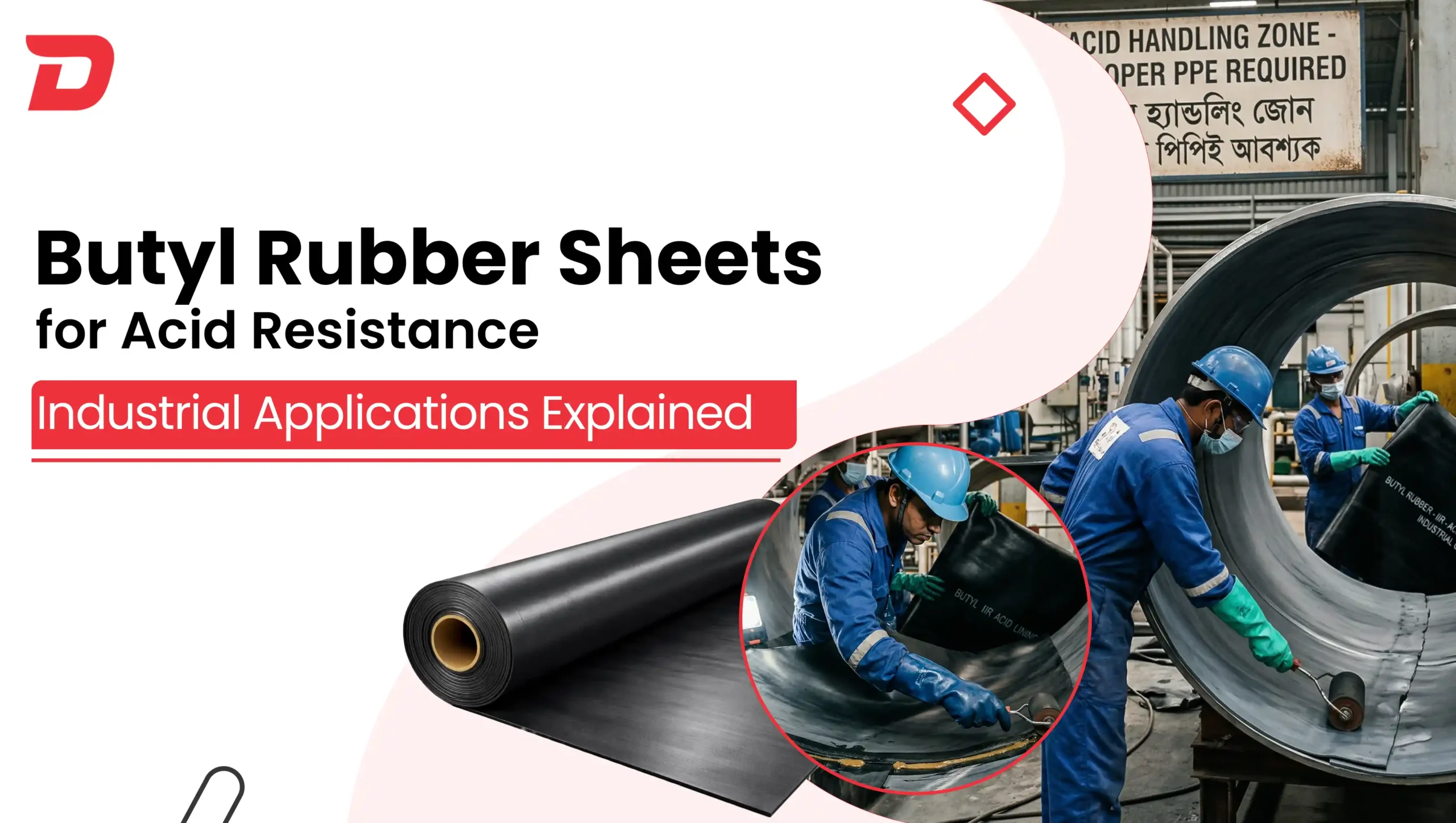
Did you purchase general-purpose rubber sheets for acid wash bays, vapor systems, or tank lining?
And noticed that your general-purpose rubber sheets failed in just some time of application? They degrade, wear out, and are damaged.
Solution? Butyl rubber sheets for acid resistance! Owing to their chemical resistance properties, they are ideal for such environments. Here’s what you need to know:
Why Butyl Rubber Performs Well in Acid and Chemical Environments
Butyl rubber sheets for acid resistance perform well in environments where oxidizing agents, acids, and alkalis are common. They do not have any significant degradation due to their superior chemical resistance.
Their saturated molecular backbone reduces the chances of degradation due to chemical attack, and they are less reactive in nature. Their polymer structure is dense and tightly packed. In addition, Butyl rubber sheets for acid resistance are non-polar in nature, and this makes them non-reactive.
Common Applications of Butyl Rubber Sheets
Hop on to the next part to check some of the common industrial applications of Butyl rubber sheets for acid & chemical resistance:
Chemical Processing Plants
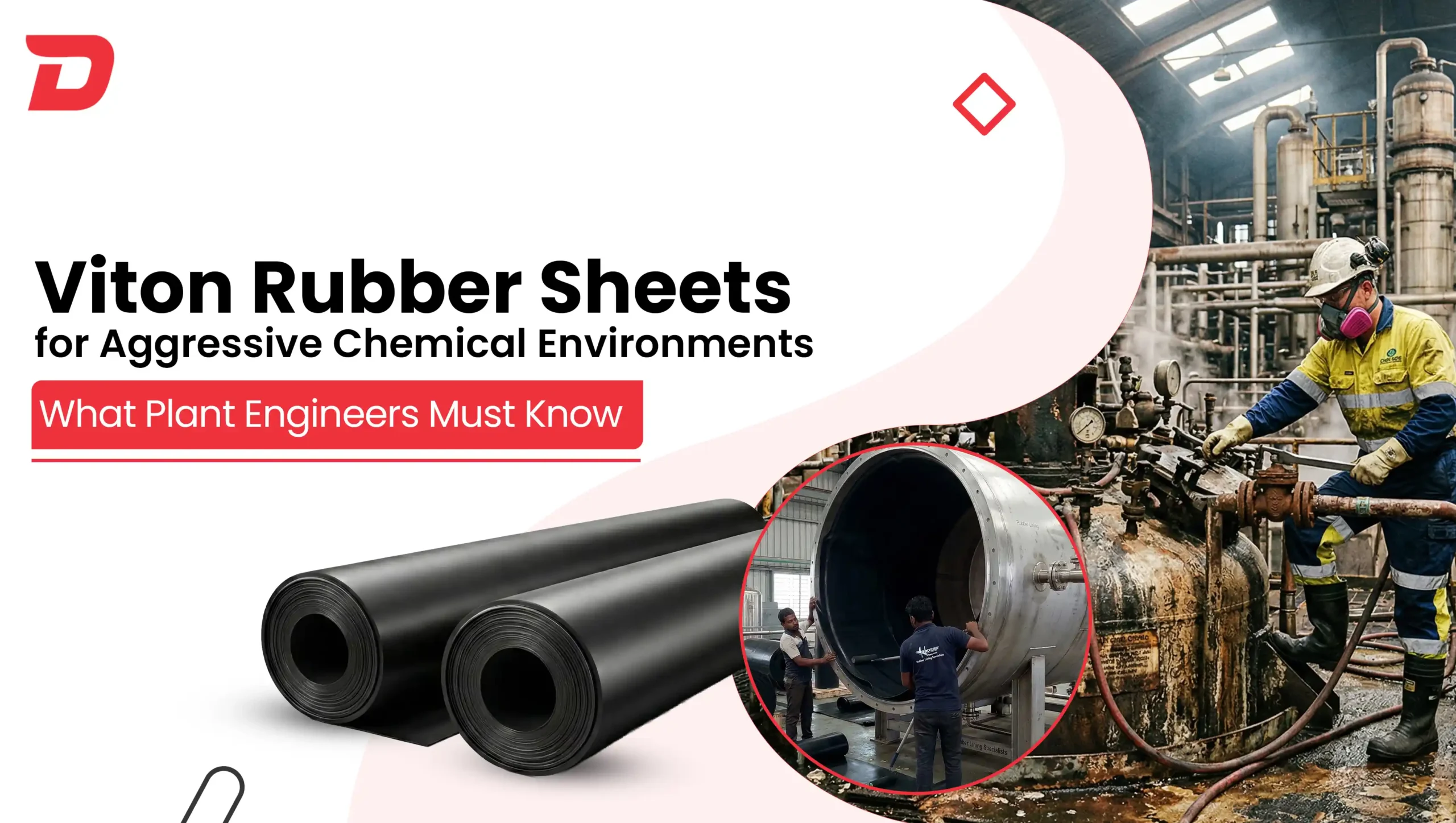
Butyl rubber sheets for acid resistant are used to make pump housings, tank lining, and solvent resistant seals for chemical contact protection.
Industrial Gaskets and Sealing Systems
When it comes to sealing, they work best in corrosive environments. They are used for flange joints, vapor systems, pipelines, and low-pressure vacuums. Butyl rubber sheets for acid resistance are ideal for chemical containment systems.
High-temperature and flame applications
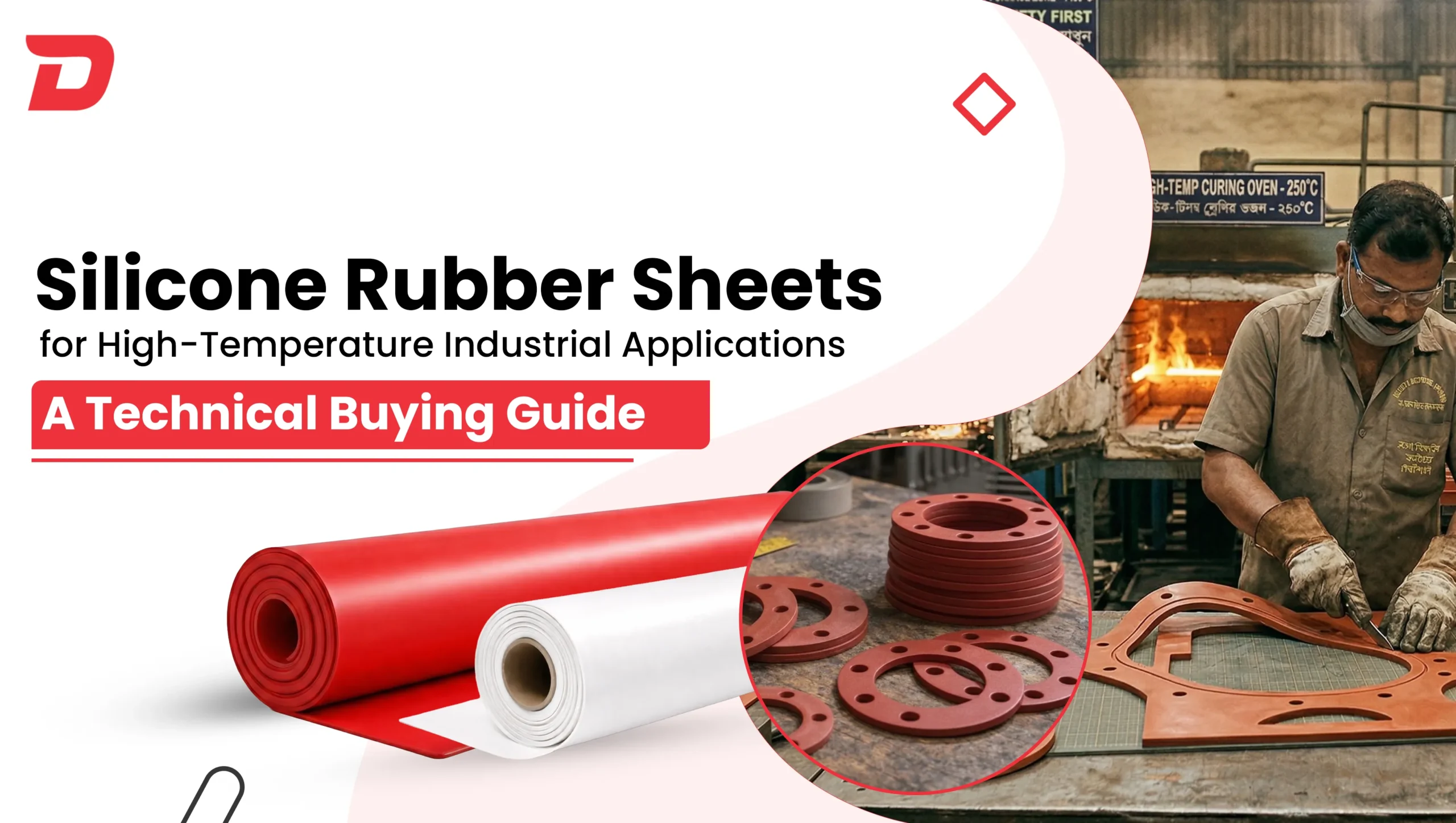
Butyl rubber sheets for acids exposure are used for high temperature fluid lines and engine bays. They are suitable for applications like flame-retardant barriers and thermal insulation. Their temperature resistance of up to +130 degrees centigrade and flame-retardant properties make them ideal for such applications.
Others
Butyl rubber sheets for acid resistance are also used for making brake pads, applications in acid wash bays, clutch linings, and more in industrial setups.
Key Factors to Consider When Selecting Butyl Rubber
Whether you are a first-time buyer or repeat buyer of Butyl rubber sheets for acid resistance, you should make sure to consider these factors for a good purchase:
Chemical Compatibility
Although Butyl rubber sheets for acid resistance have high chemical resistance, they might not be able to endure certain chemicals or their concentration. Thus, you should always verify with your supplier about their compatibility.
Size and Thickness Requirements
You should make sure that the Butyl rubber sheets chemical resistance have adequate thickness and size for your application. This ensures their effective performance as well as durability in chemical plants. Duratuf also provides customized sizes and thicknesses for specialized applications.
Mechanical Strength
The mechanical strength of Butyl rubber sheets for acid resistance depends on their grades. They have tensile strength of 8 MPa to 10 MPa, elongation at break of 350%, and hardness of 60 ± 5° Shore A. Thus, you should choose the Butyl rubber sheets for acids based on the amount of physical stress involved in the application.
Product Certifications
You should make sure that your Butyl rubber sheets for acid resistance come with appropriate documents. They should come with test certificates to ensure that the specifications are as per the quality standard. In addition, your supplier should provide you warranty certificates for your Butyl rubber sheets chemical resistance. As a result, in case of damaged or wrong product, you can get a refund or return policy.
Common Mistakes When Selecting Butyl Rubber Materials for Acid & Chemical Environments
1️. Using general-purpose rubber in acid environments: Acid environments rapidly degrade general-purpose mats as they do not have adequate chemical resistance.
2️. Not verifying chemical compatibility: Certain industries have specific chemical exposure. Hence, using sheets without verifying the chemical compatibility will lead to premature damage.
3️. Ignoring permeability requirements: Containment systems can be compromised if you overlook gas transmission properties.
4️. Selecting low-quality rubber sheets: Inconsistent quality of rubber sheets will affect the performance. Besides, they will also require frequent repairs or replacements.
Choosing a Reliable Butyl Rubber Sheet Supplier
You should choose reliable Butyl rubber sheet suppliers who:
-
Have a good reputation in the market
-
Provide high-end customer support (pre-sales and after-sales support)
-
Quality-assured products
-
Internal certificates and warranty
-
Prompt to dispatch and fulfill orders irrespective of the order volume
-
Have positive reviews across social media and e-commerce platforms.
Conclusion
When it comes to corrosive environments with ozone, high temperatures, and chemical exposure, Butyl rubber sheets for acid resistance are a suitable choice. They offer efficient performance and long service life even in such environments.
You should make sure to choose a reliable supplier and convey to them your requirements for the best purchase experience.
For more details, contact us!