
A rubber mat is an integral part of many industries. They are trusted as durable floor covers, electric safety equipment, and the main component to make seals, gaskets, hoses, etc. However, all rubber sheets are not created equal. Therubber mat specification varies with its application.
Typically, different industries have specific requirements for durability, insulating rubber mat specification, flexibility, and other performance attributes.
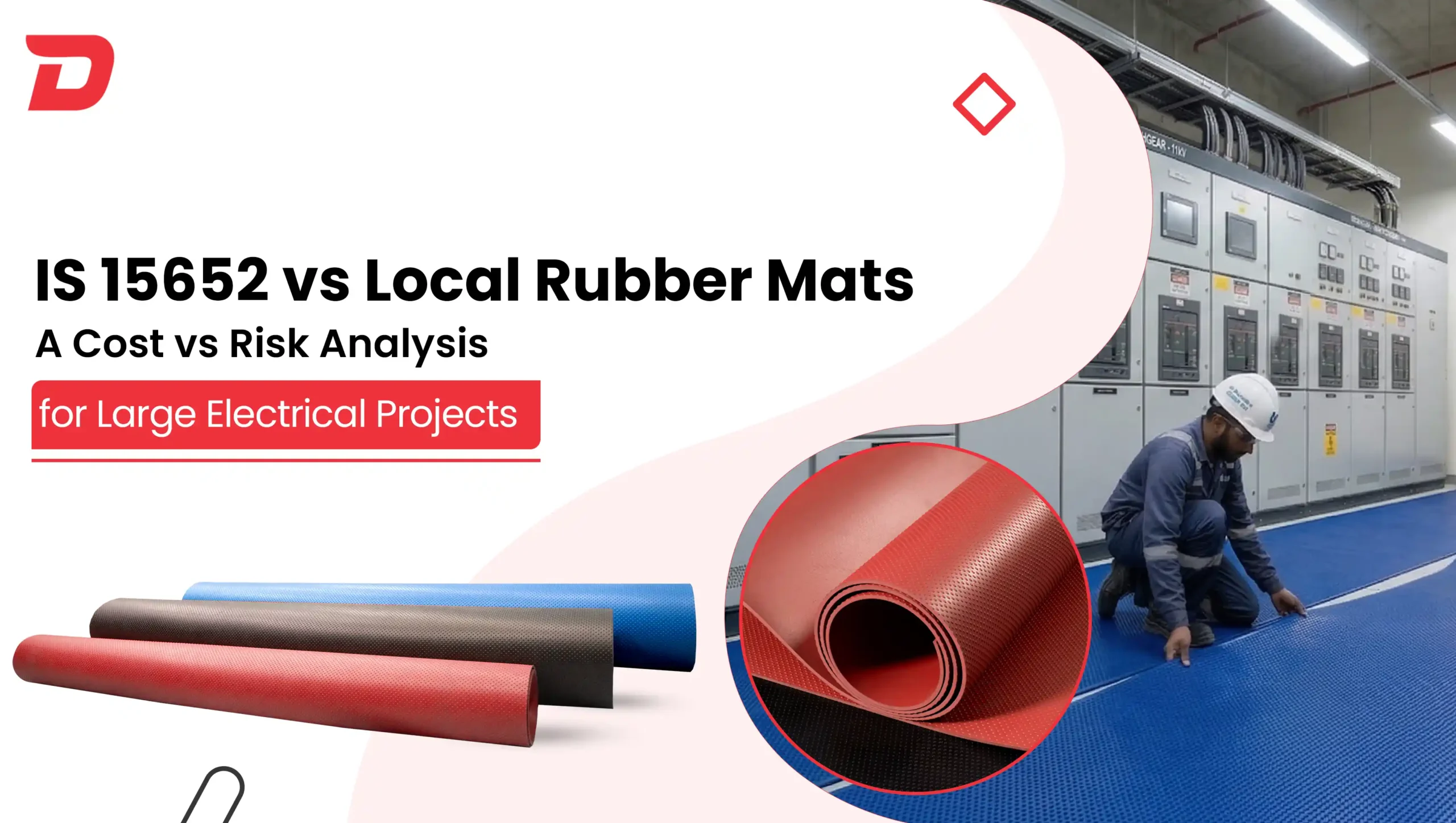
In this blog, our specialists have shared their insights onelectrical safety mat specification across the core industries. An electrical mat is also called an insulating mat, electrical rubber mat, electrical safety mat, and electrical mat. Let’s find out what change it brings:
Rubber Sheet and Insulating Rubber Mat Specification Across 5 Industries
1. Insulating Rubber Mat Specification for Metal Processing Plants
Metal processing involves operations like melting, forming, and machining using high-voltage electricity. Therefore, while noting down the electrical insulating mat specifications for metal processing plants, consider:
Key specifications for metal processing units:
- Dielectric Strength: One of the main elements of the rubber mat specification for the metal processing industry is the dielectric strength. It ensures the sustainability of the mat in heavy-traffic areas.
- Flame and Heat Resistance: The environment here involves exposure to high temperatures from equipment like furnaces. Thus, the mats must withstand high thermal stress.
- Oil and Chemical Resistance: Acids and other corrosive chemicals are used in metal melting and purification. Hence, if you do not check the chemical resistance factor in insulating mat specification details, frequent replacements might be a regular affair.
2. Electrical Safety Mat Specification for Power Stations and Substations
Power stations and substations generate electricity. They also distribute it across residential, commercial, and industrial facilities. These places handle much more electric current than ‘440 Volts’- which is typically perceived as very high electricity for us.
Key electrical insulation mat specifications for the power generation and distribution:
- Compliance with IEC 61111 (Preferable): Insulating mats are available in 3 standards- IS 15652, IEC 61111, and ASTM D-178. The IEC electrical mats provide better safety and it is also lightweight unlike the IS 15652 (low voltage) and ASTM D178 (heavy) mats.
- UV and Weather Resistance: In outdoor substations, electrical mats need to resist UV radiation and adverse weather conditions. We have already supplied our IEC 61111 electrical mats to the Zarqa Power Station and reduced electrical accidents there.
3. Electrical Rubber Mat Specification for the Food Processing Industry
In the food processing industry, high-voltage machines like mixers, conveyors, and packaging equipment keep on running constantly. Apart from electrical safety, maintaining hygiene standards is a priority in such places. While FDA certification does not come under the insulating rubber mat specification, still you can maintain the cleanliness of these mats.
Key Electrical safety mat specifications for the food processing units:
- Anti-Bacterial and Hygienic Properties: The electrical mats must be easy to clean and anti-bacterial. This helps maintain sanitation in food processing plants.
- Medium Dielectric Strength: Often, equipment in this industry operates at low to medium voltage levels, so mats don’t require extreme dielectric strength but should still meet basic safety standards. An 11 kV electric mat works fine for such places (India). According to the 11 kV rubber mat specification, the thickness of these mats is 3 mm and it offers protection against 11000 Volts of electricity.
- Slip Resistance: Floors in food processing plants can be wet, so mats need anti-slip surfaces to prevent accidents. Anti-slip, textured surface is an important aspect of our anti-slip rubber mat specification list.
4. Electrical Safety Rubber Mat Specification for the Construction Industry
Construction units run on many temporary electrical installations, portable tools, and high-voltage equipment. Construction sites are dynamic, so they demand flexible insulating mats.
Key Specifications for the Construction Sector:
- Durability and Portability: Electric Mats should be lightweight yet durable enough to withstand wear and tear from constant movement and equipment placement.
- Resistance to Heavy Foot Traffic: Mats in construction must be durable and capable of handling heavy equipment and high foot traffic.
- Moderate Dielectric Strength: Voltage levels at construction sites vary, but most applications will need medium dielectric strength mats (up to 11kV). You can go for IEC Class 1 or Class 2, as per requirement. If you are confused, you can discuss your requirements with our expert team.
5. Rubber Mat Specification for Hospitals and Medical Facilities
Hospitals depend on electricity to power critical medical equipment and emergency backup generators. Insulating mats in these places are used in operation theaters, electrical rooms, and maintenance areas.
Key electrical insulation mat specifications for Hospitals
- Medium Dielectric Strength: Hospitals typically use mats for medium-voltage applications, such as in power distribution rooms.
- Anti-Static and Fire Resistance: Medical facilities need mats that are both anti-static to protect sensitive equipment and fire-resistant for enhanced safety.
- Anti-Bacterial Surface: Hygiene is paramount in hospitals, so mats need to be easy to clean and resistant to bacterial growth.
Conclusion
Electrical mats are necessary for reducing electrical hazards. Nonetheless, insulating rubber mat specifications vary with the industrial applications. Each industry has unique requirements. Therefore, to get the most out of your electrical mat, you must make the right choice.
We can arrange a virtual consultation session if you need help. Reach out now!