
A rubber conveyor belt is a reliable way of transporting bulk materials. Do you have a heavy duty rubber conveyor belt installed at your industrial facility, mine, or construction site? Are you sure that your rubber conveyor belt is safe?
According to the US Bureau of Labor Statistics, each year in the USA nearly 9,000 workers get injured and 40 workers die in conveyor belt accidents.
On the other hand, the Health and Safety Executive (HSE) reports state that the food and drinks industry alone is responsible, for over 30% of fatal injuries from a rubber conveyor belt.
Hence, the rubber conveyor system that you are using thinking they are safe- might not be actually. In fact, the accidents can be costlier than the rubber conveyor belt price you’ve paid. What are these accidents? Come, let’s see what our experts have to say on this:
10 Rubber Conveyor Belt Accidents and Safety Tips
What is the first thing that you search for when buying a heavy duty conveyor belt? Is it the rubber conveyor belt HSN code to understand the product better or the rubber conveyor belt price?
If you are only concerned about the price, you are not moving in the right direction. Instead, the first thing that you should check is the quality of the belt. The performance and efficiency of a rubber conveyor belt depend vastly on the quality of the product.
Conveyor belt accidents do not only call for a sudden downtime, but they also land you in legal trouble and fines.
Here are ten common Conveyor Belt Accidents:
1. Entanglement Hazards
A conveyor system has many moving parts like the belts, pulleys, and rollers. Hair, loose clothes, and even body parts of the workers can get entangled in these moving parts of the rubber conveyor belt system. This can result in serious injuries, including amputations or fatalities.
Prevention & Safety Tips:
- Guarding the rubber conveyor belt material: You can install fixed guards with viewing windows over moving parts of the rubber for conveyor belt to prevent contact. The guard can also be made of rubber.
- Training: Educate employees on the dangers of entanglement and enforce strict protocols to keep hands, clothing, and tools away from moving components.
2. Amputation, or Severe Lacerations at Pinch Points
Pinch points in rubber belting are the places where two machine parts move together. These are the places where the workers get wounded the most. If their fingers or hair gets stuck here, the person may suffer from serious injuries or even die.
Prevention & Safety Tips:
- Protective Barriers: Use barriers like brackets to shield pinch points, especially near conveyor belt rollers and pulleys.
- Awareness: Clearly mark hazardous areas and conduct regular safety briefings.
3. Wound at Shear Points
Shear points in a conveyor system are created when the edges of two machine parts move across or close to each other. The tremendous force here can cut any material and even body parts.
Prevention & Safety Tips:
- Proper Guarding: You should guard the shear points with proper guards preventing accidental contact.
- Timely Maintenance: Inspect the guards as per the schedule to ensure all guards are secure and in good condition.
4. Hit by Material Spillage
A rubber conveyor belt moves at a great speed. Therefore, spillage does not only cause accidents but also significant material loss. It is also one of the 7 most reported problems by conveyor belt users.
For example, in mining applications, loose aggregate on conveyors can pile into tall mounds after frequent start-stop cycles hurting the operator.
Prevention Tips:
- Load Management: Avoid overloading conveyors and ensure materials are properly secured.
- Safety Nets: Install nets or barriers to catch falling materials.
5. Slips, Trips, and Falls
Slips, trips, and falls are common in workplaces where there are extreme environmental conditions, chemical factories, and oil refineries. Spilled materials or obstructions around conveyor areas can lead to slip and trip hazards.
Prevention Tips:
- Identification of such areas: If your workplace has slippery areas, you should identify them first and put up cautionary boards.
- Clear Pathways: Maintain clean work areas by promptly cleaning spills and removing debris.
6. Electrical Hazards
Heavy duty rubber conveyor belt systems run on critical electrical components. Thus, you should keep yourself and the workers protected from such hazards.
Safety Tips:
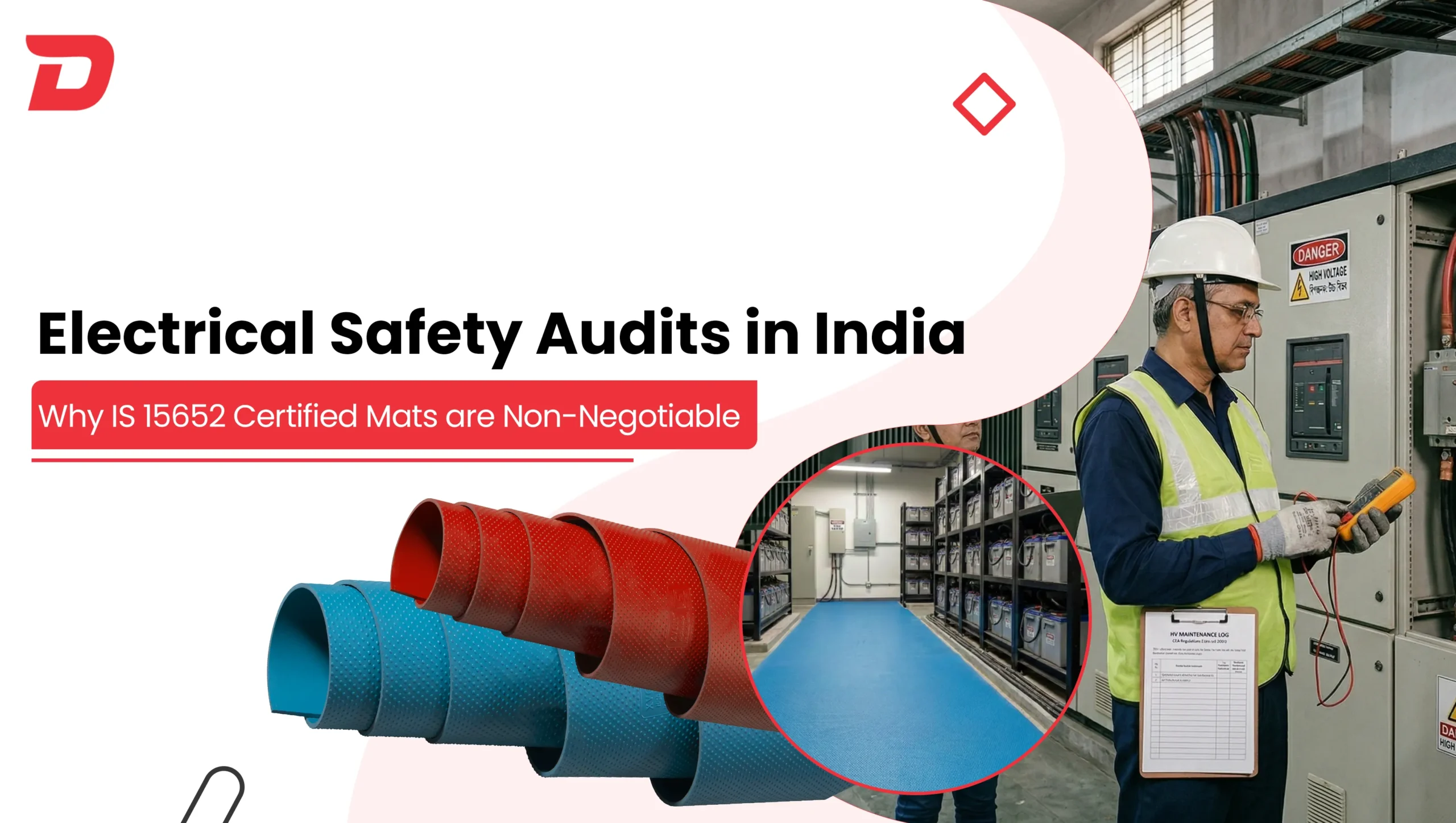
- Use PPE: You can use personal protective equipment such as an electrical safety mat near the high voltage components of the belting system. An electrical mat is an electrical insulator- a useful component that protects the workers from electric shock. Similarly, there are other types of electric insulators like gloves, jackets, etc.
- Qualified Personnel: Ensure that only trained and authorized personnel perform electrical maintenance.
7. Lockout/Tagout (LOTO) Failures
Inadequate LOTO procedures (a situation where adequate safety procedures are not followed; such as isolating the belt’s power source before rubber conveyor belt maintenance or repair work) can lead to accidental startups, causing injuries.
Prevention Tips:
- Strict LOTO Protocols: Implement and enforce comprehensive LOTO procedures during maintenance.
- Training: Regularly train employees on LOTO practices to ensure compliance.
8. Misaligned Materials From Overloading
Exceeding the conveyor’s load capacity can cause mechanical failures, leading to accidents. For example, in pallet rubber conveyor systems, pallets weighing over 2,000 pounds can get misaligned and hang from the edge of a rubber conveyor belt material which can strike an inattentive operator’s shin causing major injury.
Safety Tips:
- Stick to Specifications: Follow the manufacturer’s recommended load limits. Ask your rubber conveyor belt manufacturers about a manual.
- Smart Monitoring Systems: You can use sensors to detect and prevent overloading.
9. Fire and Explosion
A rubber conveyor belt runs continuously. Thus, it generates heat due to friction. This can lead to fires or explosions in industries handling combustible materials like coal, grain, or chemicals. Moreover, electrical faults and overheated rollers also contribute to fire hazards in a heavy duty rubber conveyor belt.
Prevention Tips:
- Use Fire-Resistant Belts: You can go for fire-retardant rubber conveyor belts in high-risk industries. Try Duratuf FireGuard with self-extinguishable rubber conveyor belt material.
- Install AI-supported Fire Suppression Systems: Equip conveyor areas with fire detection and automatic suppression systems.
10. Dust Accumulation and Respiratory Hazards
Did you know the Bou Craa conveyor belt system in the Western Sahara (over 61 miles long) is the longest in the world?
Now, imagine the harsh conditions it has to withstand and the amount of dust it generates!
Fine dust generated from conveyed materials can pose both respiratory risks to workers and increase fire hazards. Excessive dust buildup also affects rubber conveyor belt performance.
Safety Tips:
- Dust Control Systems: Use dust extraction and suppression systems to minimize airborne particles.
- Personal Protective Equipment (PPE): Provide workers with respirators and enforce PPE use in high-dust areas.
Conclusion
Rubber conveyor belt accidents occur due to 2 main reasons- inadequate maintenance and the absence of emergency switches. Nevertheless, your conveyor belt will only require frequent maintenance and replacements when the quality is not up to the mark.