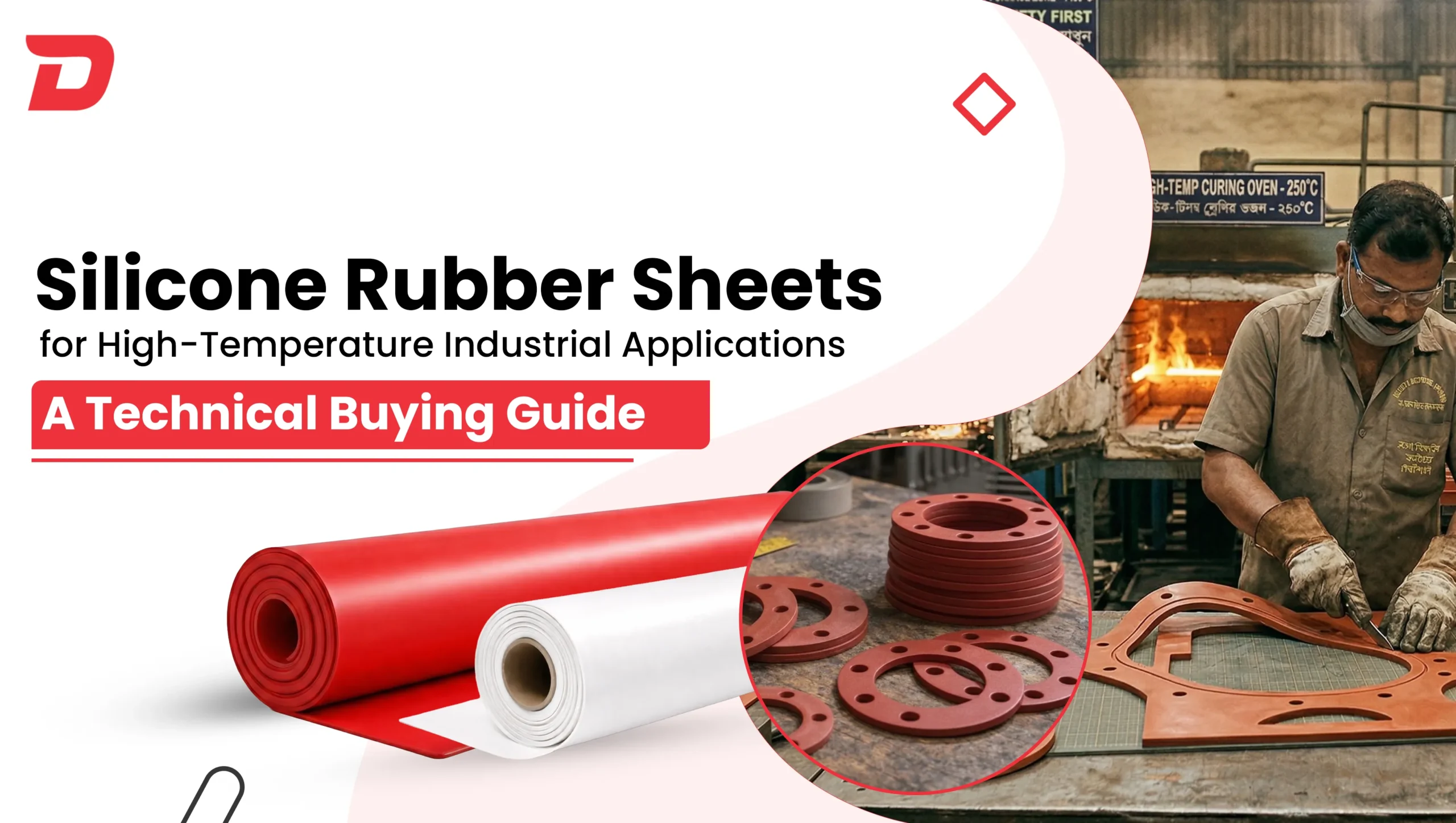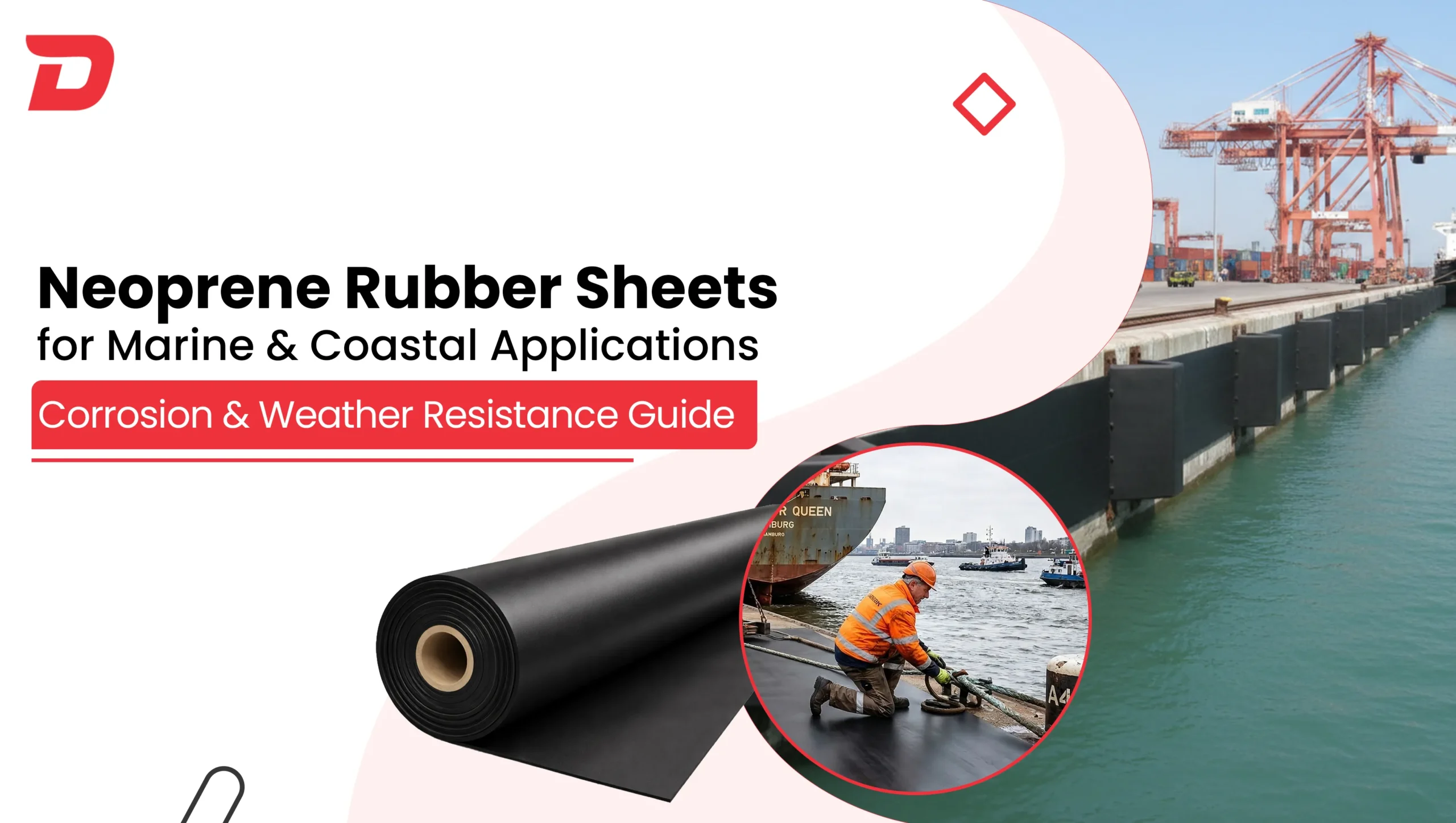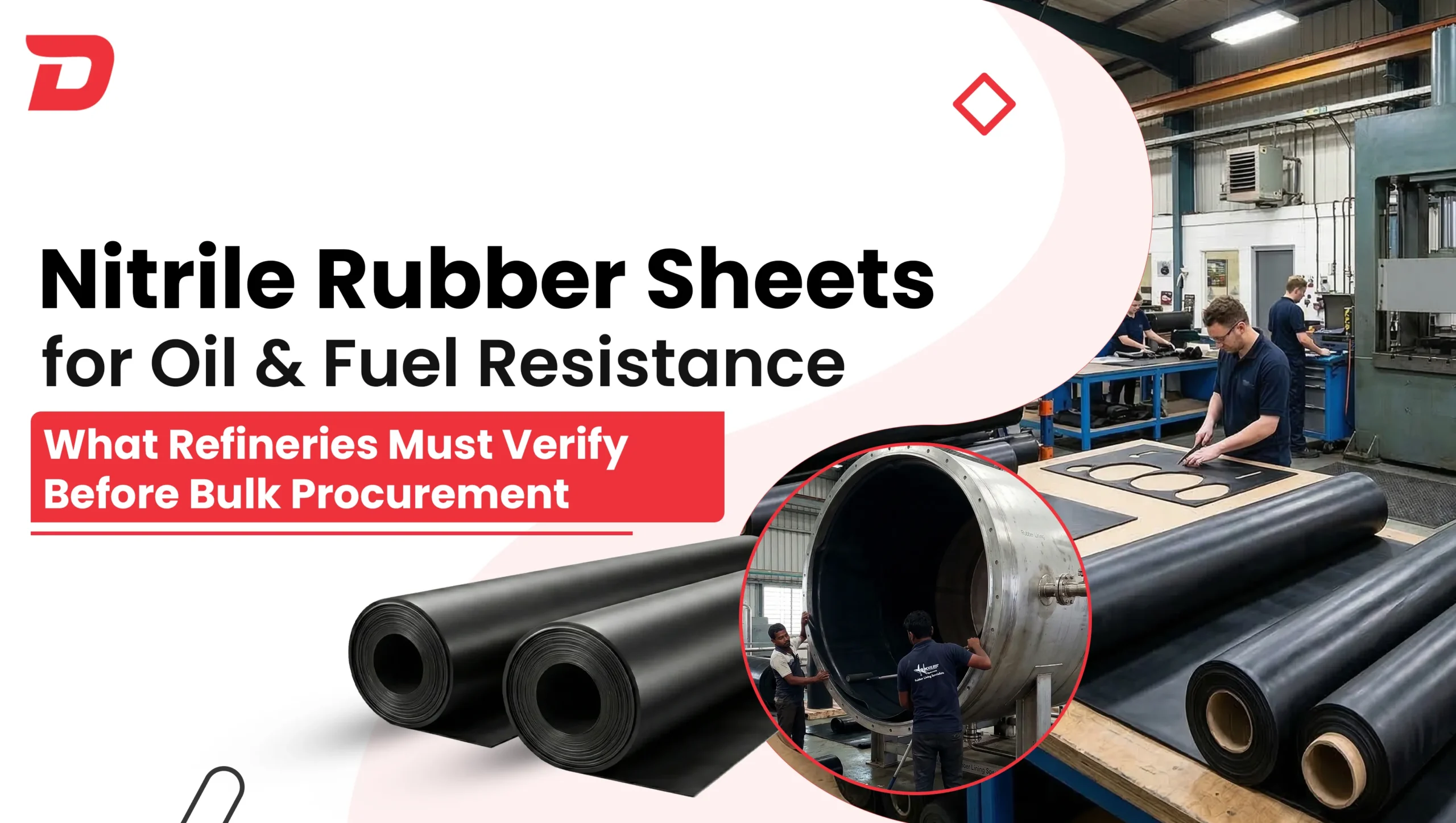

Have you ever wondered about the vibrant colors adorning a rubber sheet, especially the silicone sheet?
Are there any utilities for using specific colors on a rubber sheet?
Is it really worth paying a higher rubber sheet price for a color customization?
The world of rubber sheet coloring is not just about esthetics; it plays a crucial role in product identification, safety, and even functionality.
In this blog, we delve into the common pigments used in coloring rubber sheets. Based on the industry insights of seasoned experts, this piece of writing makes you a smart rubber sheet buyer.
This is where we explore factors such as quality and rubber sheet prices, as well.
Why do Rubber Sheets Need Coloring?
The first question that might pop up is, “Why color a rubber sheet?” Well, there are many reasons behind this practice.
A Rubber sheet, including a silicone rubber sheet, often serves specific purposes in various industries.
Here is the Importance of Rubber sheet paints:
- First, coloring helps distinguish different grades
- Second, it ensures easy identification in industrial settings and
- Third, certain pigments offer added Heat Resistance and UV Protection
- Finally, colors contribute to overall product esthetic.
Top 5 Pigments Used in Coloring a Rubber Sheet
1. Carbon Black:
Carbon black is obtained during the petrol refinery process- incomplete combustion of coal tar and petroleum products. It is undoubtedly one of the most popular choices of rubber sheet manufacturers. The carbon black pigment not only provides a deep black color but also enhances the physical properties of rubber, including tensile strength and UV resistance.If you are wondering about the black color of your flooring rubber sheet, know that carbon black is the reason behind that.
2. Zinc Oxide:
Along with carbon black, zinc oxide is another popular pigment used to color a rubber sheet, especially a silicone sheet. Some of the properties of this quintessential pigment are:
1) Pigmentation
2) Latex Gelation
3) Hear Stabilization
4) Reinforcement
5) Light Stabilization and
6) Rubber – Metal Bonding.
3. Iron Oxides
Iron oxide pigments come in a range of colors, including red, yellow, and brown. These pigments are often used to achieve earthy tones in rubber sheets.
4. Titanium Dioxide:
For achieving white or light-colored rubber sheets, titanium dioxide is a popular choice. This pigment not only imparts brightness but also contributes to UV resistance. A white rubber sheet is often used in applications where visibility and cleanliness are crucial for example, food processing.
5. Ultramarine Blue:
Are you amazed by the bright blue color of Duratuf insulating mats? Have you seen how lustrous they are? Ask for a sample from our sales team to get a touch-and-feel effect. Want to know the rubber sheet price? Well, we respond within 60 minutes.
Ultramarine blue is obtained by calcining and extracting a mixture of clay, charcoal, soda ash, and sulfur. It is used to color not only an insulating mat but a silicone rubber sheet also.
Is Rubber Sheet Color Customization Costly?
It is crucial to consider rubber sheet prices before going for customizations. Money indeed plays a crucial role in the decision-making process.
Well, the rubber sheet price is influenced by various factors, and the type and quality of pigments used play a role. While high-quality pigments may contribute to a slightly higher rubber sheet price, they often translate to better performance, durability, and a more aesthetically pleasing final product.
Moreover, the rubber sheet price changes according to the type of rubber sheet you want to customize and its dimensions.
The experts at Duratuf analyze the market thoroughly before quoting you a price. Hence, stay assured that you will get the best price for a rubber sheet.
Why Choose Duratuf?
- Up to 2 years warranty on rubber sheets
- Timely delivery
- Ready stock in 7 warehouses across India and UAE
- Free consultation by experts
- Authentication certificates.
Conclusion
Different industries and applications have unique requirements when it comes to colored rubber sheets. For instance, in the automotive sector, colored rubber sheets may be used for specific parts identification, ensuring seamless assembly processes. In contrast, in healthcare settings, colored silicone sheets may serve to differentiate between various materials.
You can alter the rubber sheeting specification according to your needs to cater to your unique industrial needs. As one of the top rubber sheet manufacturers in India, Duratuf is well-equipped to customize the color of rubber sheets and insulating mats. Our trained team of experts takes time to guide the buyers when there is a necessity.