
Industrial processes across different sectors trust an industrial conveyor belt for bulk material handling. Whether it is mining, metal processing, chemical refinery, food production, or construction, conveyor rubber stays at the heart of operations.
But what exactly is an industrial conveyor belt and how does it contribute to your profit?
In this blog, our belt conveyor system specialists define this material handling equipment, their application, and its advantages. We are also going to decode why partnering with the right rubber conveyor belt supplier can be a game changer for you.
What is an Industrial Conveyor Belt?
An industrial conveyor belt is a flexible system designed to convey heavy and bulk materials. The belt conveyor system comprises a conveyor rubber cover mounted on a series of rollers or a frame. Furthermore, the material handling conveyor belt structure is powered by a motor.
There can be different types of industrial conveyor belts. Some of them are:
- Flat Conveyor Belt: Ideal for horizontal material handling.
- Inclined Conveyor Belt: Used to move materials vertically or at angles, saving space and effort.
- Portable Conveyor Belt: Easy to transport and suitable for temporary material handling needs.
- Specialized Conveyor Belt Covers: Designed for unique requirements like heat resistance, oil resistance, and abrasion resistance.
What are the Applications of an Industrial Conveyor Belt?
The conveyor rubber belts can have a wide range of applications based on the industries. You can also tailor-make conveyor belt specifications to suit your requirements. Nonetheless, here are some typical applications of belt conveyor systems, as per a rubber conveyor belt supplier:
1. Manufacturing and Assembly Lines:
- The industrial conveyor belt helps automate material handling, reducing manual labor.
- Facilitate movement of raw materials, semi-finished, and finished products.
- Example: Automotive assembly plants use belt conveyor systems to streamline the production of various car parts like engines or tires.
Here the M24 conveyor belt or rubber belting with anti-abrasion covers work optimally. Click here for Technical Specifications of General Purpose Conveyor Belts.
2. Mining and Heavy Metal Industries:
From rock extraction to processing and finally transporting them, the mining industry includes many demanding operations.
The uses of the conveyor rubber belts in this sector are:
- Transport bulk materials such as coal, ores, and minerals.
- Heavy-duty rubber belt conveyors withstand harsh environments and heavy loads.
- Example: Inclined conveyors are ideal for moving materials uphill in mining operations.
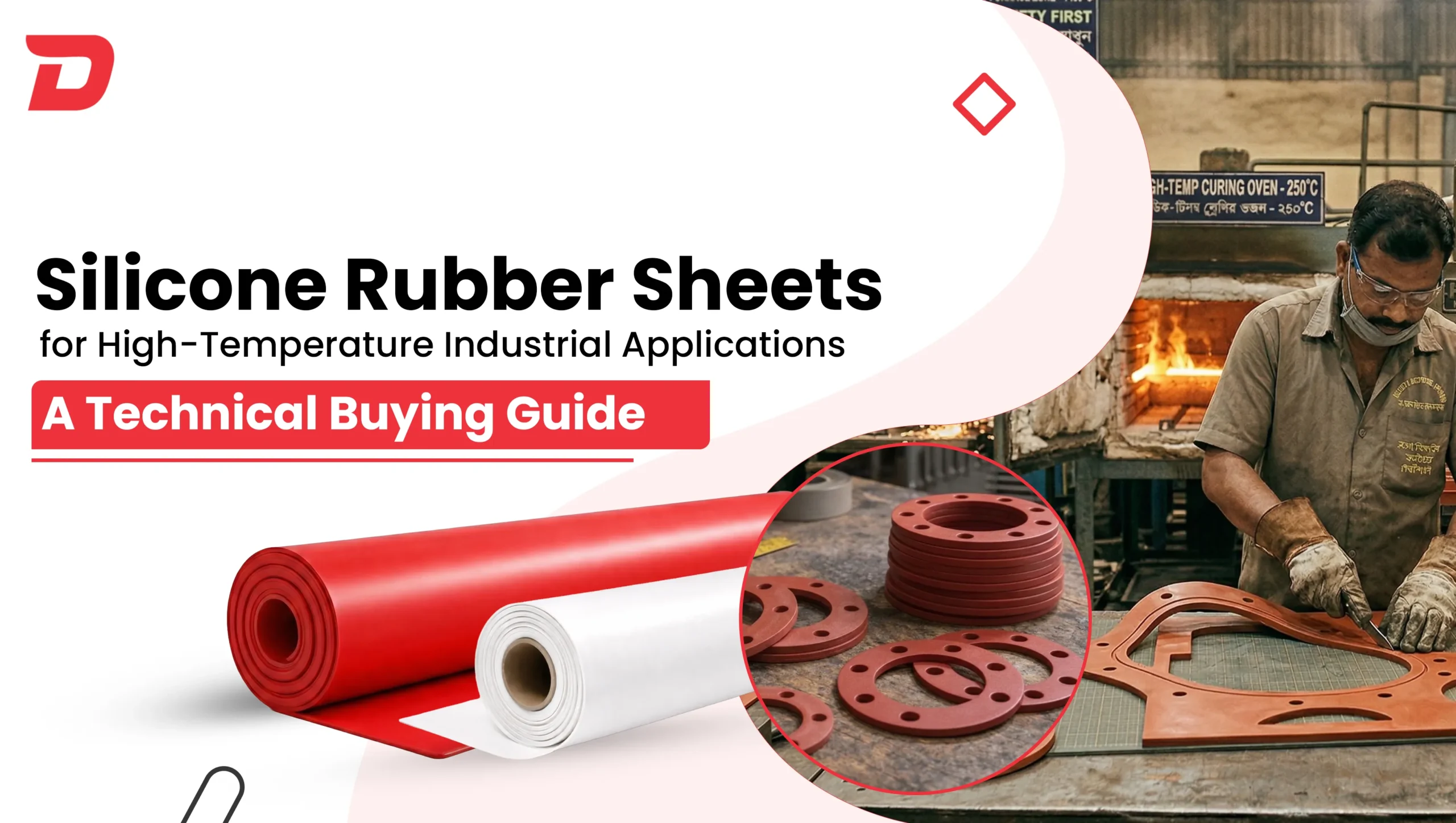
Since high temperature is often involved in the applications, make sure your conveyor rubber belting is HR-grade (heat-resistant). If you are looking for compact information on a belt and conveyor in mining, here you go! Click here for Technical Specifications of HeatGuard Conveyor Belts.
3. Food and Beverage Processing Industry
The material handling conveyor belt used in the food and beverage processing industry are not the same used in the rest of industrial works. Food production, packing, or refining facilities have to be cautious about maintaining hygiene. Thus, the conveyor rubber selected here is non-toxic, hygienic, and easy to clean. Some places demand an industrial conveyor belt with an oil-resistant rubber cover.
4. Warehouse and Logistics Management
Recent data indicates that the global logistics industry was valued at approximately USD 9.3 trillion in 2024 and is expected to grow to around USD 11.2 trillion in 2025. Some research suggest the market could reach USD 12.7 trillion by 2026 and continue rising, potentially exceeding USD 22 trillion by the mid-2030s.
Hence, if you are into logistics management, congrats on a steep growth in profits! However, without a good-quality industrial conveyor belt, you may not achieve what you plan because it helps in:
- Streamline sorting, packing, and distribution of goods, faster than manual processes.
- Portable conveyor belts are commonly used for loading and unloading cargo, eliminating the cost of labor.
5. Construction Industry
Construction is a bunch of trades that can include building, maintaining, renovating, and repairing infrastructure. Thus, it is one of the major core industries all over the world.
Here, a rubber belt conveyor transports sand, bricks, concrete, and other types of materials with a bigger dimension.
Different rubber covers work for the construction industry: M24 (heavy-duty anti-abrasion), HR-grade, and FR-grade. Click here for Technical Specifications of FireGuard Conveyor Belts.
6. Agriculture and Fertilizer Handling:
Have you seen food grains being transported into a ship for export? What makes the work so easy? Of course, the industrial conveyor belts!
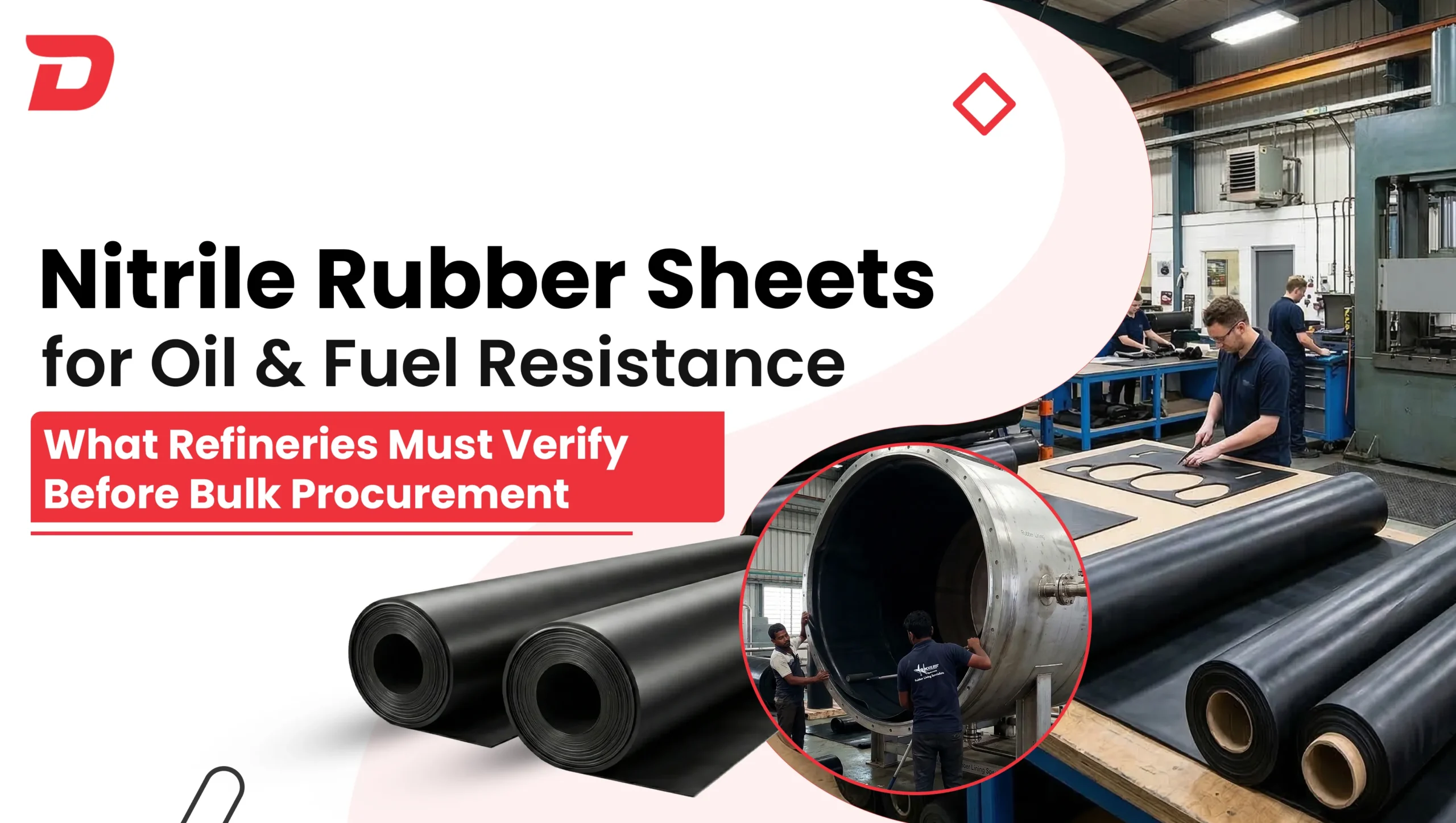
Nevertheless, for this work, any reputable rubber conveyor belt supplier would suggest conveyor systems with an OR-grade rubber belting. The oil-resistant or OR-grade rubber conveyor cover does not degrade with constant exposure to oil-secreting materials.
Moreover, they are specialized to minimize spillage and material loss. Click here for Technical Specifications of OilGuard Conveyor Belts.
Why Use an Industrial Conveyor Belt? The Benefits
There are multiple bulk material handling options to choose from- still, why do almost 70% of buyers vote for an industrial conveyor belt? Are they truly that beneficial? Take a look at the benefits of the conveyor rubber, as per some of the top rubber conveyor belt suppliers:
Improved Efficiency and Productivity
Conveyor systems can handle large volumes of materials continuously, reducing downtime. Moreover, apart from operating the power systems, no manual labor is needed. Hence, automating material transport speeds up production processes.
Cost Reduction
Think of a mining truck. Running means driver’s payment, cost of fuel, labor wages, and vehicle maintenance expenses. On the other hand, apart from the upfront conveyor belt price, no labor charge or fuel costs are required to run them. The hardy rubber covers also need less maintenance.
Accident-Free Industrial Zone
Conveyor belts eliminate the risks associated with manual handling of heavy materials. Moreover, nowadays, a belt conveyor system is equipped with emergency stop buttons and AI-powered sensors- further eliminating the possible risks.
Less Material Spillage
Material spillage can lead to hefty wastage and loss of money. Nevertheless, conveyor belt specifications precisely tailored to your needs ensure smooth transportation with minimal spillage.
Role of Your Rubber Conveyor Belt Supplier: Why Does It Matter
- Assured Quality: Trusted suppliers use premium conveyor rubber to manufacture belts that last longer.
- Customization: Tailor-made solutions that align with your specific industrial requirements.
- Competitive Pricing: Transparent conveyor belt prices that deliver value for money.
- Expert Guidance: Assistance in choosing the right belt conveyor system for your application.
- After-Sales Support: Maintenance, repairs, and prompt customer service for minimal downtime.
We take pride in leading the race and position ourselves as one of the most reliable conveyor belt suppliers globally. We have supplied our industrial conveyor belt variants to many top companies in the world.
With our expertise as a rubber conveyor belt supplier, we provide solutions that ensure optimal performance, durability, and efficiency.