
A rubber conveyor belt is an ideal medium that is utilized in the transportation of bulk materials like grain, salt, coal, ore, sand, and many more.
So it is a medium. Is it? Yes! A conveyor belt generally consists of two or more pulleys. They are referred to as drums with a never-ending twist of carrying all the mediums the belts can rotate around them. The conveyor belts consist of two pulleys where the powered pulley is known as the drive pulley, and the unpowered pulley is known as the idler pulley.
Some of these types of belts include package handling, material handling, trash handling, heavy-duty, coding conveyors, and many more.
Stores also have conveyor belts at the check-out counter for moving all kinds of shopping items.
Some Key Features of Rubber Conveyor Belts
- The belts are structured exclusively to withstand significant amounts of abrasion and impact.
- These belts exhibit excellent resistance to industrial fluids.
- These belts display an excellent elasticity for facing some of the situations like recycling sectors and many more.
- These belts are very much resistant to chemicals like acids and alkalis.
- One of the main unique features of these conveyor belts is that they are immune to industrial liquids and other fluids, and that is why consumers from all over the world prefer these belts.
- A rubber conveyor belt has high durability and longevity to serve the industrial needs.
Different Types of Rubber Conveyor Belts!
- General purpose conveyor belt: This rubber conveyor belt provides seamless transportation of materials. It is of three types- MaxGuard conveyor belt, Guardian conveyor belt, and Lifeguard conveyor belt. They are meant for different industrial applications.
- FireGuard conveyor belt: AFireguard conveyor belt has impeccable fire-resisting properties. This rubber conveyor belt resists the ignition and spread of fire outbreaks.
- HeatGuard conveyor belt: AHeatGuard conveyor belt provides durable and long services in extreme temperature conditions.
- OilGuard conveyor belt: This rubber conveyor belt exhibits oil and fuel resistance.OilGuard conveyor belts performance remains unaffected by the exposure to oil which makes it suitable for applications in fuel and oil refineries.
Common Applications of Conveyor Belt System
The conveyor belts are used for:
- The conveyor belts are used for high-speed power transmission within the crown or flat pulley drives.
- These conveyor belts are utilized in industries like coal handling, Cement, concrete, Power, fertilizers, Road, Construction, Sand, and Sawmills.
- The endless conveyor belts are used for purification-centric industries like chemicals, Pharmaceuticals, Food, and all kinds of similar products.
Looking for a solution for the transportation of bulk material from one place to another? Embark upon the utility of Duratuf conveyor belts for getting a solution. Not only can it withstand abrasion exceptionally but is also resistant to heat, oil and fire.
Types of Conveyor Belts Offered By Duratuf Products
GENERAL-PURPOSE CONVEYOR BELTS
LITEGUARD
- Designed for light abrasive materials.
- Ideal for industries handling softer and less abrasive materials like packaging and agriculture.
GUARDIAN
- Suited for medium abrasive materials.
- Commonly used in industries like mining, sand processing, and material handling.
MAXGUARD
- Built to withstand maximum abrasion.
- Perfect for harsh environments with highly abrasive materials like coal and heavy minerals.
HEATGUARD CONVEYOR BELT
- Designed to resist high temperatures.
- Ideal for transporting hot materials in industries such as cement, steel, and foundries.
OILGUARD CONVEYOR BELT
- Made with oil-resistant compounds.
- Suitable for industries exposed to oils, greases, and petroleum-based products like food processing and recycling.
FIREGUARD CONVEYOR BELT
- Specially formulated for flame resistance.
- Essential for industries with fire hazards, including underground mining, power plants, and material handling in hazardous areas.
How are rubber sheets made?
All kinds of synthetic rubber polymers are made from petroleum-based chemicals which are clumped and dried for transport.
The polymers are usually mixed as the ingredients are added followed by the rubber rolled into perfect sheets.
These sheets are further cut into strips for subsequent molding and processing.
There are many kinds of rubber sheets which are available in the house of Duratuf and now we’ll come to study all kinds of rubber sheets, one of them being the Butyl rubber sheets.
Let us learn the properties or the features of the
Butyl rubber sheets!
The Butyl rubber sheets are very much referred to as the Isobutylene- isoprene, this Butyl rubber sheet is known for its outstanding and excellent airtight performance.
They are also able to perform well in both low and high temperatures and that is why they are preferred by people working in the electrical and marine industries.
One of the best Butyl Rubber sheet suppliers in the house of Duratuf makes sure that these rubber products exhibit outstanding resistance to not only the chemicals but also deliver excellent resistance to ozone, Sunlight, weathering, oils, and many types of corrosive elements.
The Butyl sheets are impermeable to air and exhibit perfect vibration and damping.
They have excellent heat aging and outstanding water resistance so we must also keep in mind that these rubber sheets have very low permeability and they are used for various applications like sealing flange gaskets, protecting steel and other surfaces weatherproof splashing and the list goes on and on.
They are thoroughly in the house tested and so the manufacturer’s test certificate is provided along with the supply.
Butyl rubber sheeting is used to make gaskets, lining, flexible strips, pads, and sealings.
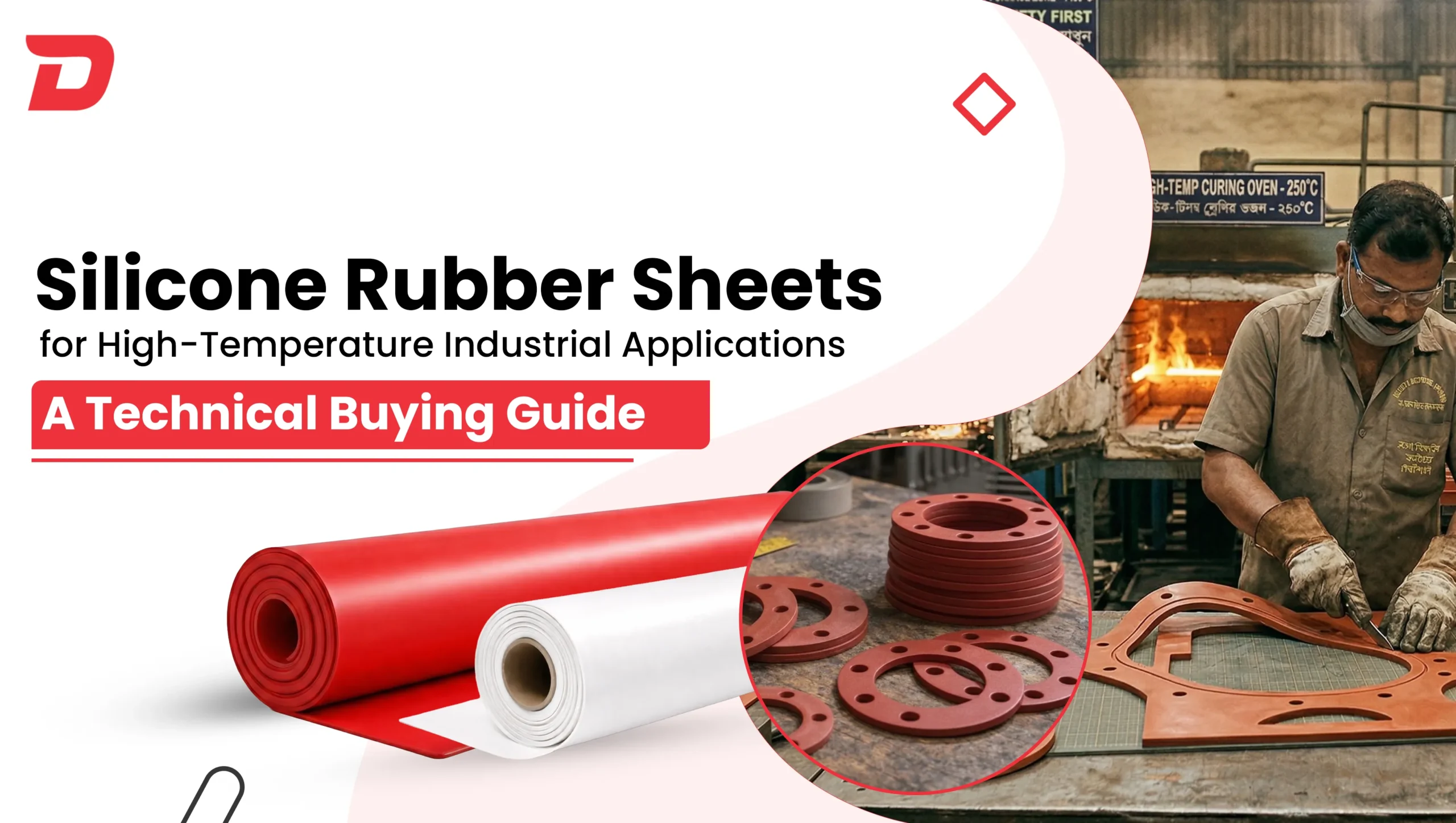
Silicone rubber sheet
Renowned for its exceptional temperature it finds extensive use in insulating strips, isolation barriers, and various electrical sealing tasks. Despite its soft and smooth surface texture, it stands resilient against oil, chemicals, UV rays, and ozone.
Silicone rubber sheets are extensively used for serving purposes in the household, automotive, kitchenware, toys, and other electrical needs. The FDA-certified non-toxic silicone rubber sheets are used to make molds and in conveyor belts in food processing industries.
Abrasion-resistant rubber sheet
As the name suggests,abrasion-resistant rubber sheet has exceptional wear resistance in addition to high tensile strength and impact resistance. These sheets are highly used in cyclones, storage bins, and cyclone lining. An abrasion-resistant rubber sheet is manufactured with natural rubber and Polybutadiene rubber compound has high resistance against alkali and acid. It has remarkable application in pipe, tank, valve, chute, and pump lining.
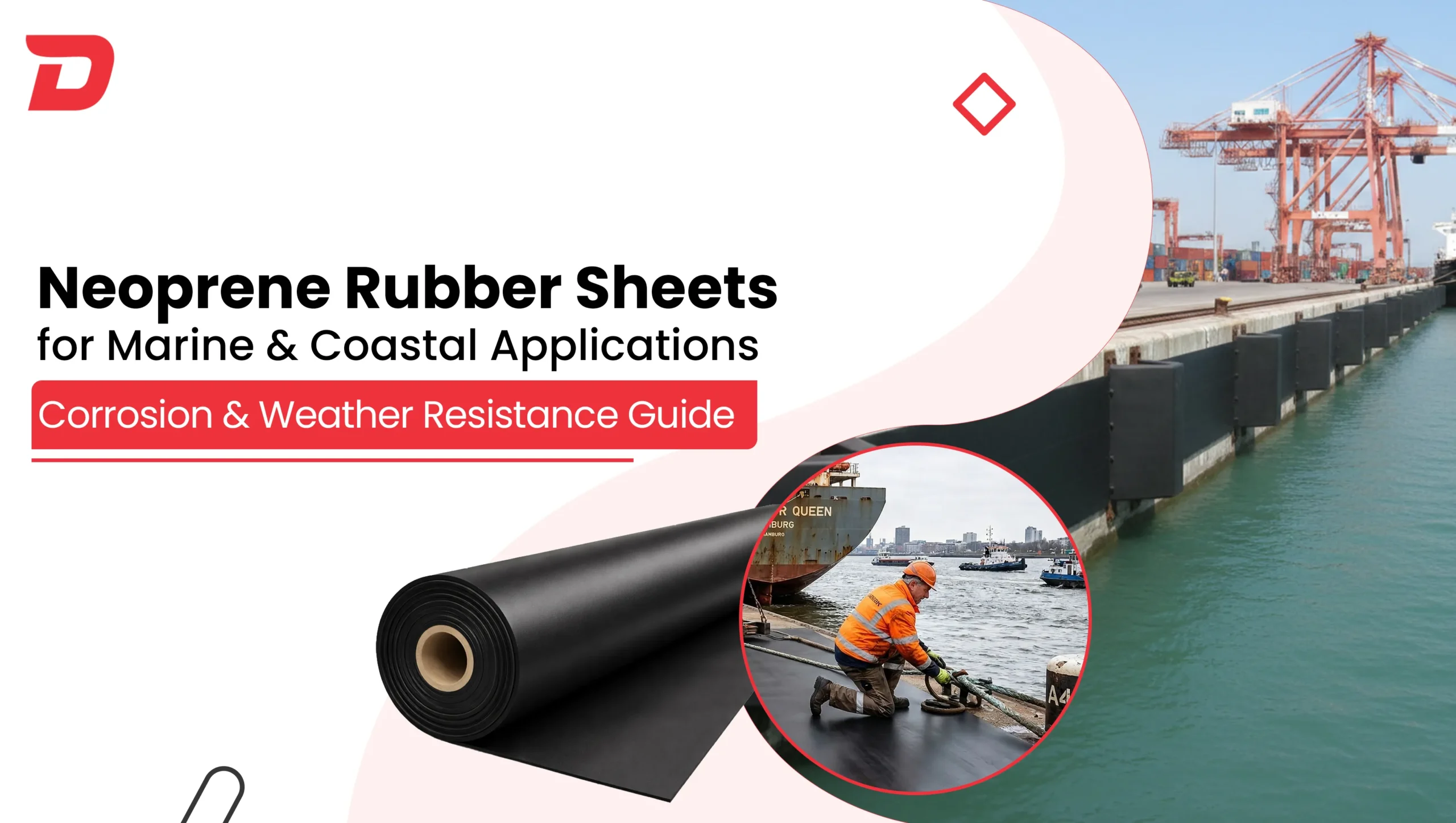
Neoprene rubber sheet
Aneoprene rubber sheet is made from a unique chloroprene rubber compound. Considering its mechanical robustness, these rubber sheets find extensive application in bearing pads, strips, and crucial construction seals. Neoprene rubber sheets demonstrate resistance to flame, UV, and ozone. They are frequently put into practice in flange gaskets on pipes and tanks, expansion joints, insulating strips, and insulating barriers. Owing to its distinguished fuel and oil resistance, neoprene rubber sheets are used in oil-resistant skirting.
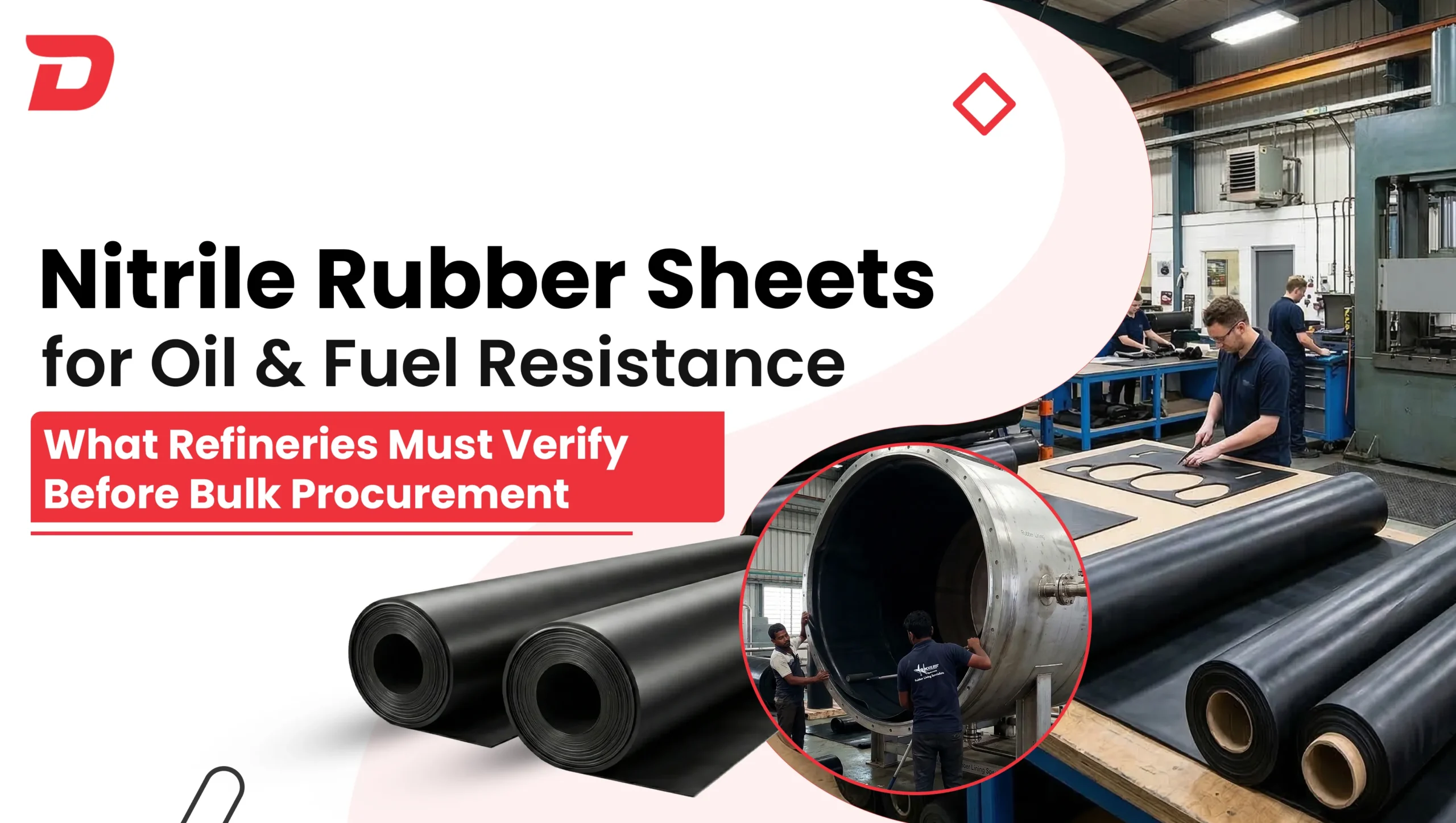
Nitrile rubber sheet
Nitrile rubber sheetsare composed of a special Nitrile butadiene rubber compound which facilitates high resistance against fuel and oil. This attribute contributes to its extensive usage in oil and fuel seals, as well as oil-resistant skirting. It has a predominant application in making insulating strips and isolation barriers due to its heat-resistant properties. Alongside, it can also be functional in the lining of pipes and tanks due to its alkali and acid resistance capability.
Conclusion
Conveyor belts and rubber sheets form an important part of the operations in the core industries worldwide. These components play a vital role in numerous applications- from elevating efficiency to ensuring safety.
In this blog, we’ve highlighted the fundamentals. We have also explored some of the types and materials, available. As a user, this piece of writing will help you make informed decisions.
Whether you’re in manufacturing, mining, or logistics, utilizing this comprehensive guide empowers you to navigate the realm of conveyor belts and rubber sheets with confidence.
Still looking for help? Call us!