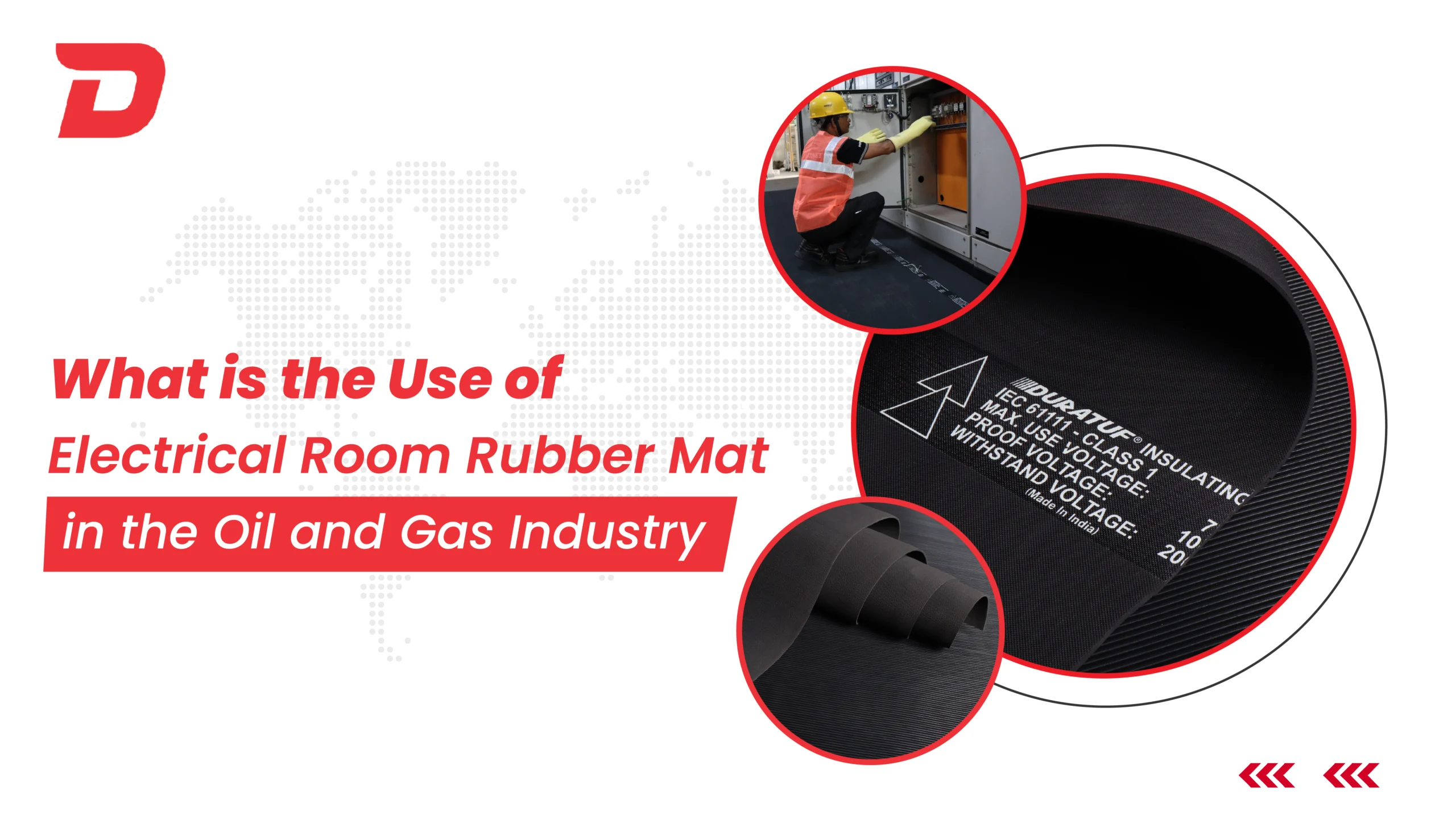
Why do you need an electrical room rubber mat in your oil and gas facility? Why is electrical safety necessary in such an industry that does not directly deal with high-power equipment like a power station?
Do you also have the same thoughts as the one in charge of an oil and gas facility in Saudi Arabia? Then, this blog is written specially for you.
The energy sector, especially oil and gas factories, is in a boom right now, with the overall oil and gas market projected to reach $8,337.22 billion in 2025. According to a research article by a consulting company, Saudi Aramco- a key producer of crude oil in Saudi Arabia- produces over 11 billion barrels of oil per day.
The machines run 24/7, finding, extracting, and refining fossil fuels. Millions of workers are employed to carry out the tasks. Such circumstances call for advanced safety measures. But, what role does a rubber mat for electrical panel play in it?
Why are rubber mats used in electrical rooms in oil and gas facilities?
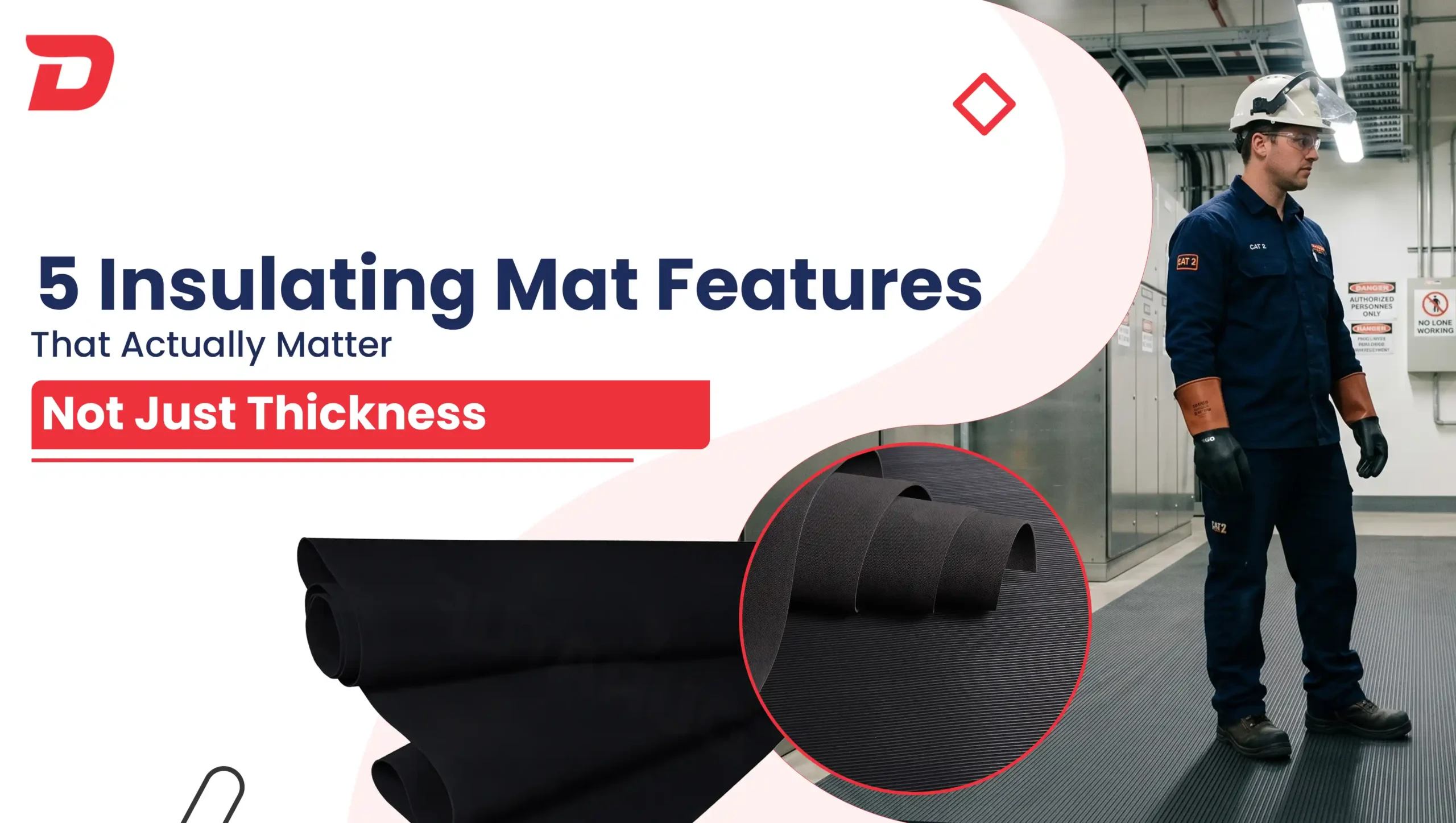
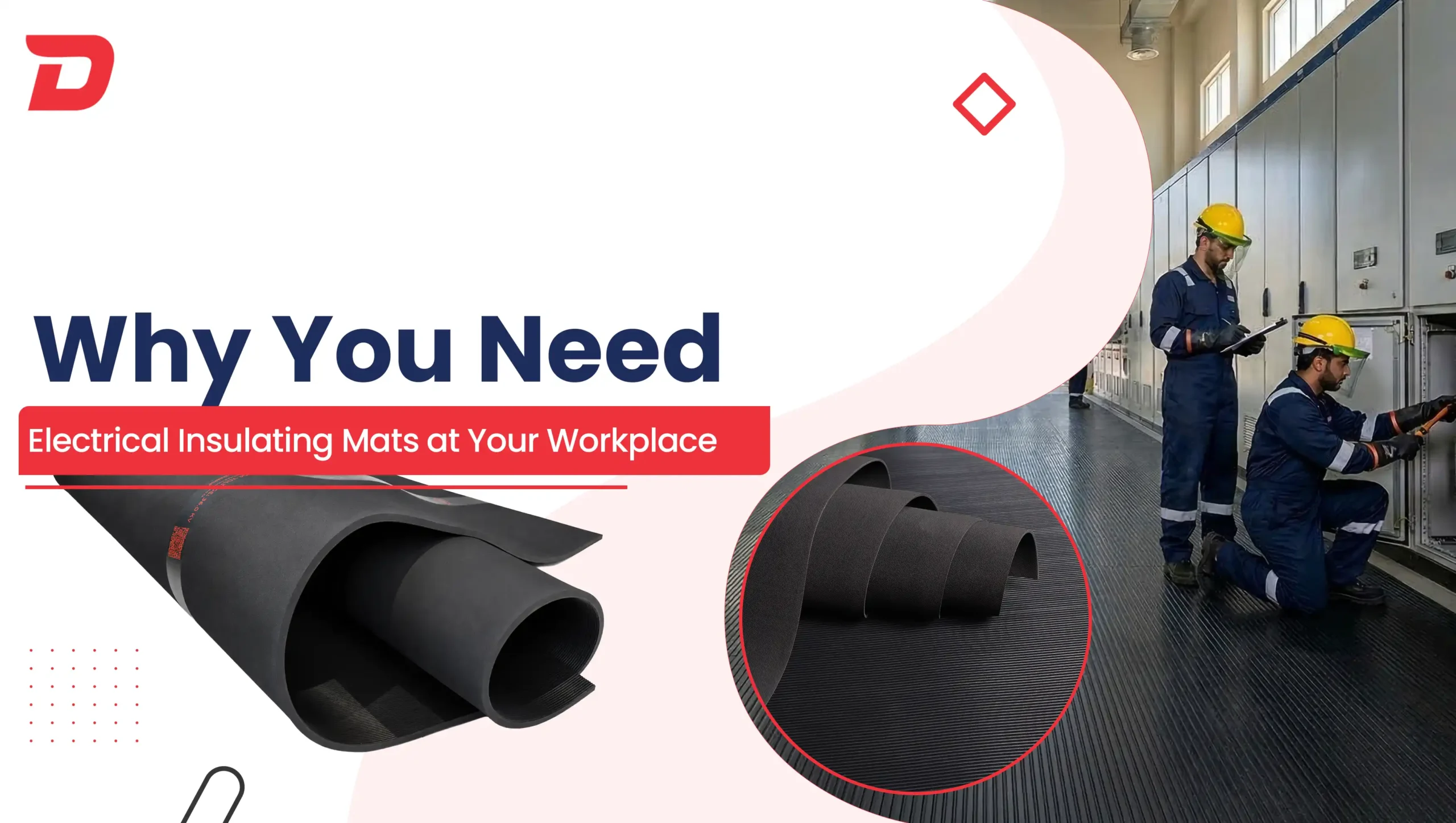
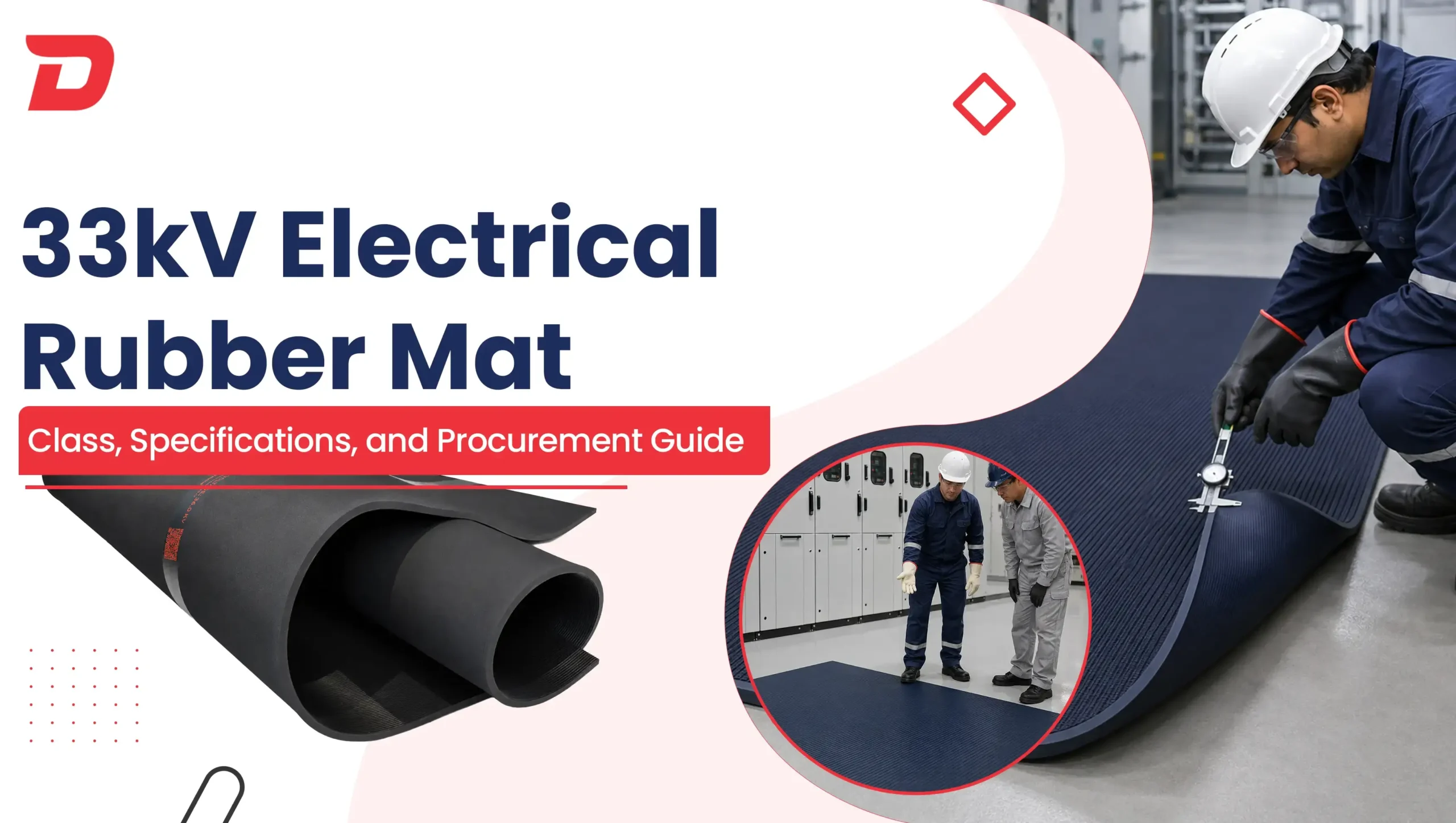
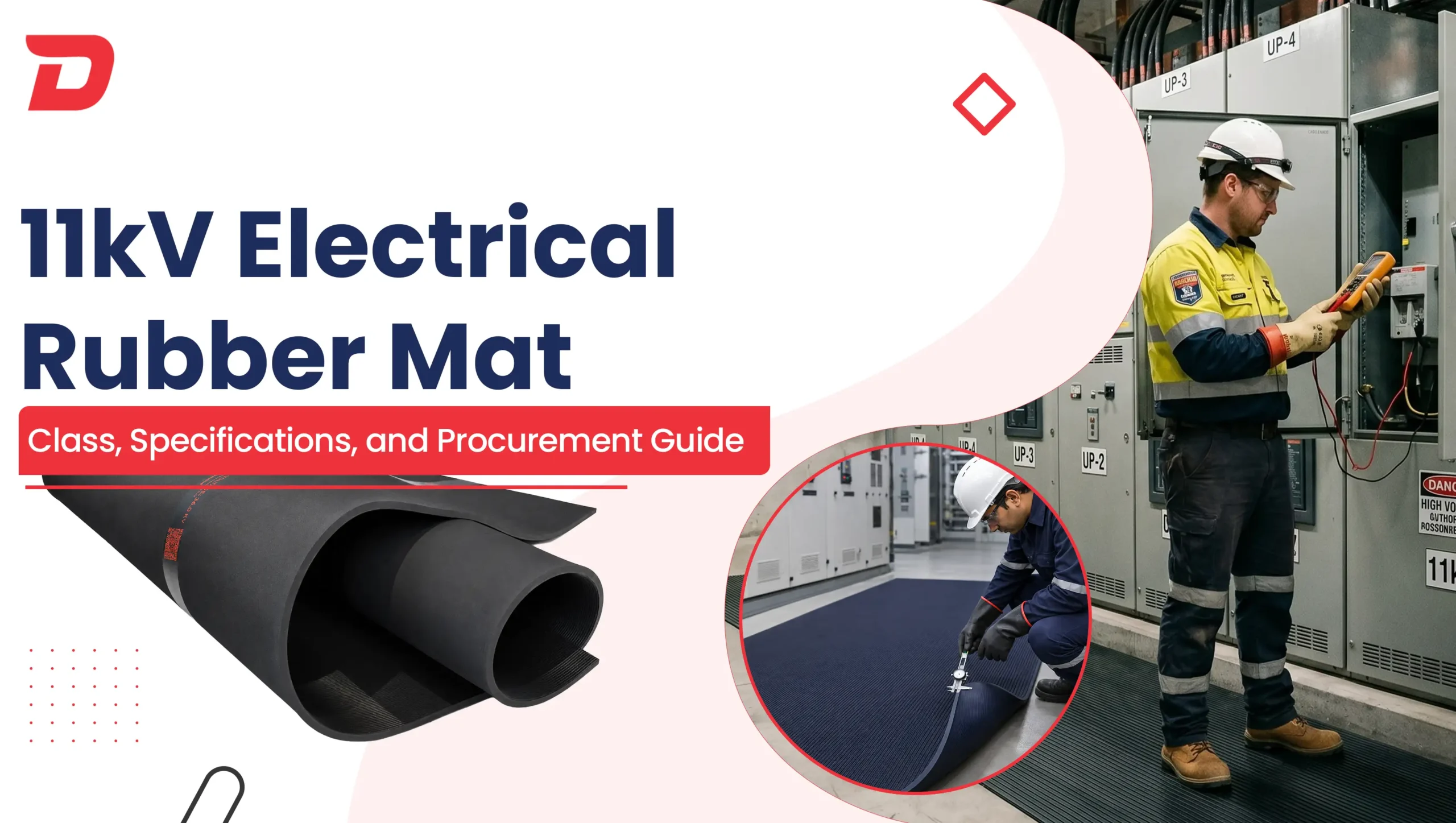
An electrical room rubber mat is also known by the names electrical insulating mat and an electrical insulation rubber mat, regionally. It is made of elastomer and some other compounds that add dielectric strength to it. A rubber mat for electrical panel can comply with IEC 61111:2009, ASTM D178, or IS 15652 standards of safety compliance. These safety compliances talk about the ideal composition of an electrical room rubber mat and testing procedures, typically.
In terms of rubber sheet, most users prefer NBR rubber sheets for industrial tank sealing in the oil and gas industry for their fuel resistance.
Before we move on to why you need insulation rubber mats for electrical applications in your oil and gas facility, let’s look at what they are. Let’s look around it.
Are electrical room rubber mats mandatory in oil and gas plants?
Unlike a power generation or distribution station, an oil and gas facility does not run on very high voltage machines. Still, the operations depend on machines that run on electricity. Here are a few areas around an oil and gas facility where you need an electrical room rubber mat:
Power Transformers
- For maintaining voltage levels during generation and distribution
High Voltage Switchgear
- Controls, protects, and isolates HV electrical equipment
- Includes circuit breakers, isolators, and protective relays
Circuit Breakers (HVAC/HVDC)
- Interrupts fault currents to prevent equipment damage
Gas-Insulated Switchgear (GIS)
- Compact switchgear using SF₆ gas for insulation
- Rubber mat insulation is ideal for offshore platforms and space-constrained areas
HV Motors & Variable Frequency Drives (VFDs)
- Drives for compressors, pumps, and drilling rigs
- Operates at 6.6kV, 11kV, or higher depending on load
High Voltage Cables
- Connects substations, switchgear, and remote equipment
- XLPE-insulated or oil-filled, depending on voltage and environment
Instrument Transformers (CTs & VTs)
- For protection and metering of HV circuits
- Ensure isolation and accurate current/voltage readings
High Voltage Busbars
- Conduct high currents across switchgear panels or substations
- Typically air- or gas-insulated, depending on location
Substation Protection & Control Panels
- Houses, relays, SCADA interfaces, automation units
- Central for monitoring and fault isolation
Surge Arresters & Insulators
- Protect equipment from voltage spikes (e.g., lightning or switching)
- Installed on transformers, switchgear, and overhead lines
As a user, you can install an electrical room rubber mat in all these areas. The Occupational Safety & Health guidelines also highlight the importance of using appropriate safety gear near these machines.
Why Should you use an Electrical Room Rubber Mat in these areas?
Most of these machines above, that are used in the oil and gas facilities, run on 1000 Volts and up. Hence, the workers might get electrocuted easily if they get inattentive, even for a fraction of a minute. They can get in touch with live electrical wires. Consequently, they can get burns or blisters from electric shock; they can fall from a height or even die on the spot. Therefore, it is natural for the workers to become worried all the time if proper safety measures like an insulation mat for electrical panel are not in place.
The consequences?
- High medical bills
- Settlements (in case of a death)
- Workday loss
- Loss of morale
- Less productivity
A rubber mat for electrical panel, when placed on the floor, creates a safe base for the workers to stand on. With the base of safety right, the workers get confidence when working near such machines that run on electricity more than 1 kV.
Choosing quality over affordability: A tip for electrical insulation rubber mat buyers
What happens when you are finally convinced about a safe working environment and want to buy a rubber mat for electrical panel?
How do you decide? Do you go by the electrical insulation mat price or the quality?
Well, as specialists in electrical safety, we would always recommend you choose quality over affordability. A cheap insulation mat for electrical panel might be affordable upfront; But it will fail you in the long run.
When is an electrical insulation mat price less?
Do you know what covers most of the insulation rubber mat price list? The testing!
Some mats are affordable, as they are not tested in certified labs. Some may not be tested at all, and the electrical mat supplier will provide you with a ‘Manufacturer’s Test Certificate’ instead of a ‘Third-Party Testing Certificate’.
Want to stay stress-free with our insulation mat for electrical panel purchase? It is simple: choose a reputable supplier.
Summing up,
Oil and gas factories, too, run on high-voltage equipment. Therefore, electrical safety remains non-negotiable.
Here, an electrical room rubber mat not only offers electrical safety, but also improves productivity by minimizing accidents.
Are you looking to buy an electrical mat for your oil and gas facility in Saudi Arabia? We are just a call away!